
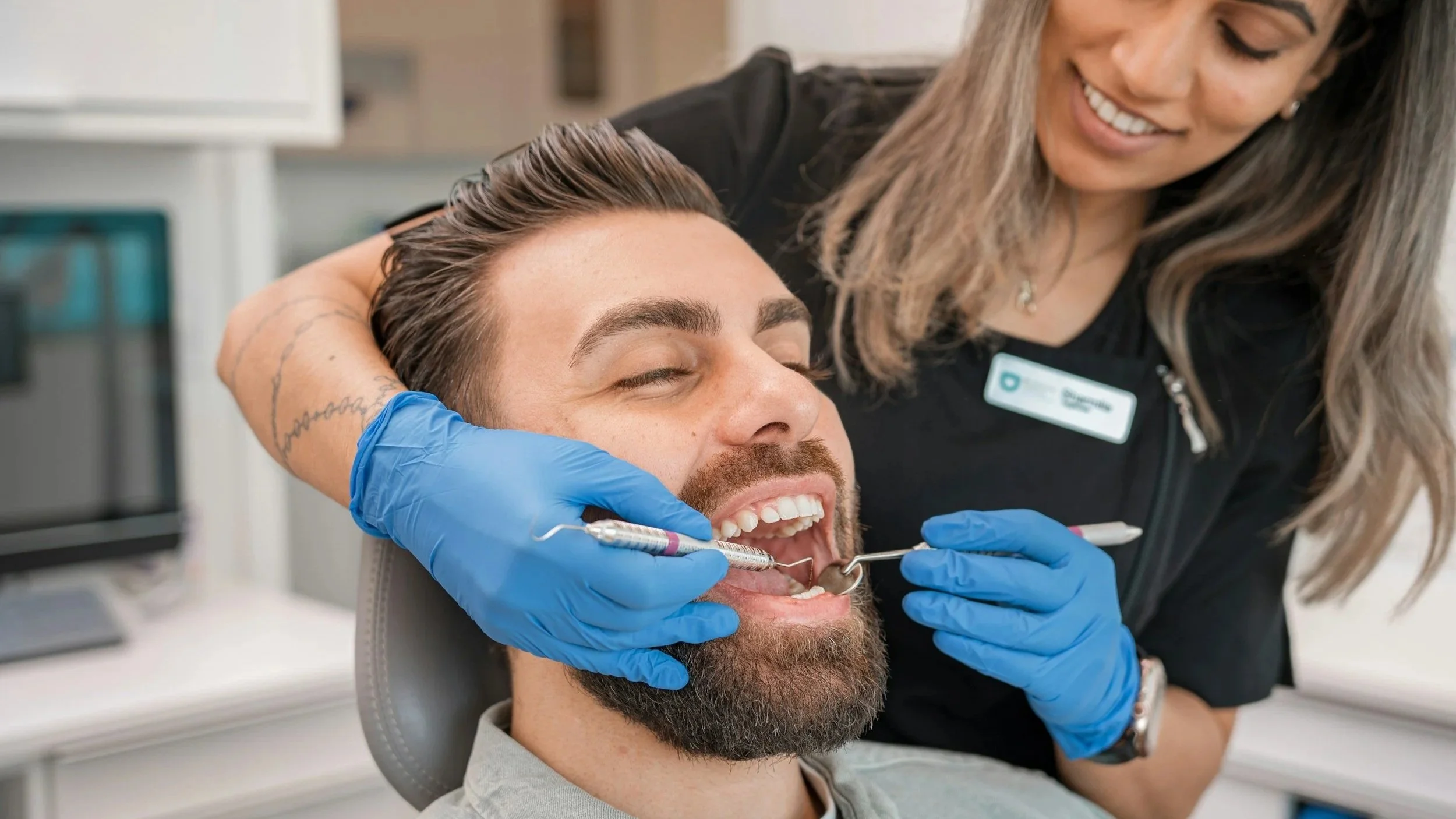
Dental Cleaning and Preventive Care in Peabody, MA
Keep your teeth clean, your gums healthy and your smile protected with professional dental cleaning and preventive care at LS Family Dental.
Regular dental visits help our team monitor changes in your oral health, remove stubborn buildup and identify potential concerns before they become more difficult to manage. We personalise every preventive care plan according to your age, dental history, gum health and individual needs.
Personalised Preventive Care
|
Family-Friendly Dental Office
|
Convenient Peabody Location
Personalised Preventive Care | Family-Friendly Dental Office | Convenient Peabody Location
What to Expect During a Dental Cleaning
Your appointment will be personalised according to your oral health. A routine preventive visit may include the following steps.
1. Review of Your Dental Health
We may ask about changes in your dental health, medical history, medications, sensitivity or any concerns you have noticed since your previous appointment.
Let our team know when you have experienced:
Tooth pain or sensitivity
Bleeding or swollen gums
Persistent bad breath
Jaw discomfort
Loose teeth
Changes in existing fillings, crowns or dentures
2. Examination of Your Teeth and Gums
The dentist or dental professional will examine your teeth, gums, mouth and existing dental restorations. We will look for signs of decay, gum inflammation, wear, cracks and other oral health concerns.
3. Dental X-Rays When Needed
Dental X-rays are not necessarily required at every visit. They may be recommended according to your age, symptoms, dental history and risk of developing oral health problems.
X-rays can help the dentist identify concerns that may not be visible during a regular examination.
4. Plaque and Tartar Removal
Special dental instruments are used to carefully remove plaque and hardened tartar from around your teeth and gumline.
You may hear gentle scraping sounds during this part of the cleaning. Tell our team if you experience sensitivity or discomfort so we can adjust your treatment.
5. Professional Polishing
After tartar is removed, your teeth may be polished to help remove certain surface stains and leave them feeling smoother and cleaner.
6. Cleaning Between the Teeth
The dental professional may floss between your teeth to remove remaining debris and check areas that can be difficult to clean at home.
7. Fluoride Treatment When Recommended
A fluoride treatment may be recommended for some children and adults who have a higher risk of developing tooth decay.
Fluoride recommendations depend on factors such as age, cavity history, enamel condition, dry mouth and oral hygiene habits.
8. Personalised Prevention Advice
Before you leave, our team may provide guidance about brushing, flossing, toothpaste, diet and any areas that need additional attention.
We will also recommend when you should return for your next cleaning or examination.
Benefits of Professional Dental Cleaning
Removes Hardened Tartar
Once plaque has hardened into tartar, regular brushing and flossing may not remove it. Professional cleaning allows the dental team to clean these areas carefully.
Supports Healthier Gums
Removing plaque and tartar from around the gumline can help reduce irritation and support healthier gums.
Helps Detect Dental Problems Early
Routine examinations allow the dentist to identify possible cavities, gum problems, cracked teeth and damaged dental work at an earlier stage.
Freshens Your Mouth
Professional cleaning removes trapped plaque and debris that may contribute to unpleasant breath.
Removes Certain Surface Stains
Polishing may help reduce some external stains caused by coffee, tea, tobacco and other everyday sources.
Provides Personalised Oral Hygiene Advice
Our team can identify areas you may be missing and demonstrate ways to improve your brushing or interdental cleaning technique.
Protects Existing Dental Work
Regular examinations help the dentist monitor fillings, crowns, bridges, dentures and other restorations for signs of wear or damage.
Supports Long-Term Oral Health
Preventive care can reduce the likelihood of minor dental concerns becoming more complex and uncomfortable.
How Often Should You Have a Dental Cleaning?
There is no single cleaning schedule that is right for every patient.
Some patients may be advised to visit every six months, while others may need more or less frequent care. Your recommended schedule will depend on factors such as:
Your current gum health
History of cavities or gum disease
Quality of daily oral hygiene
Tobacco use
Dry mouth
Diabetes and certain other health conditions
Pregnancy
Orthodontic appliances
Existing dental restorations
Your dentist’s clinical findings
After examining your mouth, our dentist will recommend an appropriate schedule for your needs.
Aftercare and Things to Know
Most patients can return to their usual activities immediately after a routine dental cleaning. Follow any specific instructions provided by your dental team.
Temporary Sensitivity Can Occur
Your teeth or gums may feel mildly sensitive after cleaning, particularly when there was considerable tartar buildup or existing gum inflammation.
This feeling is normally temporary. Contact the dental office if sensitivity is severe, continues or causes concern.
Wait When Fluoride Is Applied
When you receive a fluoride treatment, follow the instructions provided by your dental professional regarding eating, drinking and brushing after the appointment.
The recommendations may differ according to the fluoride product used.
Brush Twice Every Day
Brush your teeth twice daily using fluoride toothpaste and a soft-bristled toothbrush.
Use gentle, circular movements and clean the outer, inner and chewing surfaces of every tooth. Avoid aggressive scrubbing, which can irritate your gums.
Clean Between Your Teeth Daily
A toothbrush cannot effectively reach every area between your teeth. Floss, interdental brushes or another dentist-recommended cleaning product can help remove plaque from these spaces.
Limit Added Sugar
Frequent sugary foods and drinks can increase the risk of tooth decay. Try to limit sugary snacks, soft drinks and sweetened beverages.
Drink Water Regularly
Water can help rinse away food particles and support saliva production. Saliva plays an important role in protecting the mouth.
Avoid Tobacco Products
Smoking and other tobacco products can stain the teeth and increase the risk of gum and oral health problems.
Replace Your Toothbrush Regularly
Replace your toothbrush or electric brush head when the bristles become worn or approximately every three to four months.
Contact Us When You Notice Changes
Do not wait until your next routine visit when you develop tooth pain, swelling, broken dental work, bleeding gums or another oral health concern.
Frequently Asked Questions About Dental Cleaning
-
A routine appointment may include an oral health review, examination, plaque and tartar removal, polishing, flossing and personalised home-care advice. X-rays and fluoride treatment may be recommended when clinically appropriate.
-
The right schedule depends on your oral health, cavity risk, gum condition and dental history. Many patients visit approximately every six months, but your dentist may recommend a different schedule.
-
A routine cleaning should generally be comfortable. You may experience temporary sensitivity when you have sensitive teeth, inflamed gums or significant tartar buildup. Tell the dental team when you feel uncomfortable.
-
Appointment length varies depending on the condition of your teeth and gums, the amount of tartar present and whether X-rays or additional examinations are needed.
-
Plaque is a soft film that develops on the teeth. When it is not removed effectively, it can harden into tartar. Tartar usually needs to be removed using professional dental instruments.
Ask About Dental Cleaning and Preventive Care
Regular preventive care can help you maintain cleaner teeth, healthier gums and a more confident smile.
Schedule a dental cleaning at LS Family Dental today. Our team will evaluate your oral health and recommend a preventive care schedule based on your individual needs.
LS Family Dental
117 Lynn Street
Peabody, MA 01960
Phone: (978) 531-5100