Examination of the Tooth
We carefully examine the affected tooth, surrounding gums, and your bite to determine whether a dental crown is the right treatment.

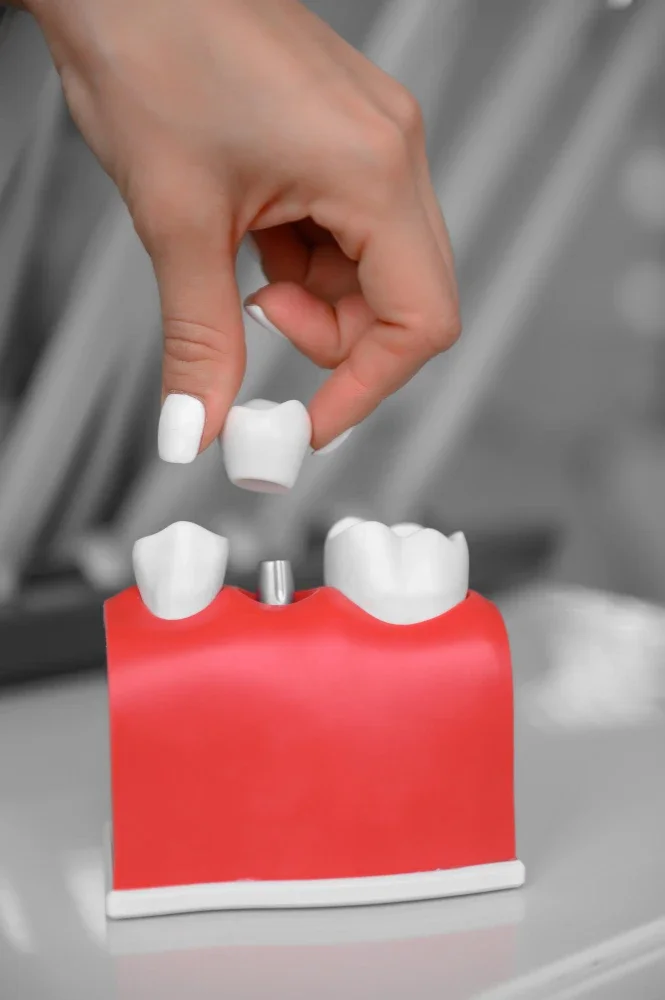
A damaged, weakened, or heavily restored tooth may need more protection than a regular filling can provide. At LS Family Dental, we use custom dental crowns to restore the strength, shape, and appearance of your tooth. Here is what you can expect when receiving a dental crown in Peabody, MA.
We carefully examine the affected tooth, surrounding gums, and your bite to determine whether a dental crown is the right treatment.
X-rays may be taken to check the tooth roots, supporting bone, decay, cracks, or infection beneath the visible surface.
We explain why the tooth needs protection and discuss whether a crown, filling, root canal, or another treatment would be most suitable.
The area is numbed with local anesthetic before damaged or weakened portions of the tooth are removed. The tooth is then carefully shaped so the crown can fit securely.
We take a detailed scan or impression of the prepared tooth and surrounding teeth. This information is used to create a crown that fits your bite and looks natural.
A temporary crown may be placed to protect the tooth while your permanent restoration is being made. We explain how to care for it and what foods to avoid.
At your final visit, we remove the temporary crown and check the fit, shape, colour, and bite of your new crown before securely bonding it in place.
Whether your tooth is cracked, worn, heavily filled, or weakened after root canal treatment, LS Family Dental can help restore its strength and appearance with a custom dental crown.
A well-planned dental crown should do more than cover a damaged tooth. It should feel comfortable, support your bite, and blend naturally with your surrounding smile.
Each crown is designed around the shape of your prepared tooth and the way your upper and lower teeth come together.
We carefully consider the colour, shape, and size of your surrounding teeth to create a crown that looks balanced within your smile.
A crown covers the visible part of the tooth, helping protect it from further cracking, wear, or damage during chewing.
A damaged tooth can make biting and chewing uncomfortable. A crown can help restore the tooth’s shape and normal function.
Teeth can become more fragile after root canal treatment. A dental crown may be recommended to protect the remaining tooth structure.
We explain why a crown is being recommended, how the process works, and what alternatives may be available before treatment begins.
Your crown treatment is completed at our Peabody dental office by a team that understands your dental history and long-term oral health needs.
We show you how to clean around your crown and protect it from unnecessary damage so it can continue functioning well.
Dental crowns are commonly recommended when a tooth has lost too much strength or structure to be repaired with a standard filling. Covering the tooth can help prevent further damage and restore comfortable function.
A crowned tooth can still develop decay near the gumline, and the surrounding gums can still become inflamed. Brushing twice a day, flossing around the crown, and attending regular dental checkups at LS Family Dental can help protect both the crown and the natural tooth beneath it.
Your tooth may feel slightly different or sensitive after crown treatment, especially once the anesthetic wears off. Following these guidelines can help protect your temporary and permanent crown.
Avoid sticky foods such as chewing gum, caramel, and chewy candy.
Try not to bite hard foods directly with the temporary crown.
Brush the area gently with a soft-bristled toothbrush.
Floss carefully and slide the floss out from the side rather than pulling upward.
Contact us if the temporary crown becomes loose or falls off.
Do not try to reattach the crown with household glue.
Keep the temporary crown safe if it comes out and bring it to your appointment.
Brush twice daily using fluoride toothpaste.
Floss around the crown every day to protect the gumline.
Avoid biting ice, pens, fingernails, and very hard objects.
Wear a nightguard if you grind or clench your teeth.
Attend regular dental examinations and professional cleanings.
Let us know if the crown feels high or uncomfortable when you bite.
Contact our office if you notice persistent pain, looseness, or damage.
A dental crown is a custom restoration that covers the visible part of a damaged or weakened tooth. It helps restore the tooth’s shape, strength, appearance, and ability to function during biting and chewing.
The area is numbed with local anesthetic before the tooth is prepared, so you should not feel pain during the procedure. You may experience mild sensitivity or soreness afterward, but this usually improves within a short period.
Traditional crown treatment generally requires two appointments. During the first visit, the tooth is prepared, an impression or scan is taken, and a temporary crown is placed. At the second visit, the permanent crown is fitted and bonded.
The lifespan of a crown depends on the material, oral hygiene, bite pressure, diet, and habits such as teeth grinding. With good daily care and regular dental visits, a crown can remain functional for many years.
A crown can be designed to match the colour, size, and shape of your surrounding teeth. Before placing it permanently, we check how it looks within your smile and how it fits against the opposing teeth.
A crown may help protect a cracked tooth by holding the remaining structure together and reducing pressure on the damaged area. Whether the tooth can be saved depends on the location and severity of the crack.
A crown is often recommended for back teeth after root canal treatment because these teeth may become more fragile. The crown helps protect the remaining tooth structure from cracking during normal use.
Yes. Decay can form where the edge of the crown meets the natural tooth, particularly when plaque builds up near the gumline. Daily brushing, flossing, and regular dental examinations are important.
Keep the crown if you can find it and contact LS Family Dental as soon as possible. Avoid chewing on the exposed tooth and do not use household glue to reattach the crown.
Yes. A crown may need replacement if it becomes cracked, loose, worn, discoloured, or no longer fits properly. We will examine the tooth and determine whether a new crown or another treatment is needed.
Schedule a dental crown consultation at LS Family Dental and let our team evaluate your damaged or weakened tooth. We will explain your treatment options clearly and help you choose the right restoration for your smile.