Review of Your Symptoms and Health History
We ask about bleeding, sensitivity, bad breath, gum recession, loose teeth, and any changes you have noticed. We also review medical conditions and medications that may affect your gum health.

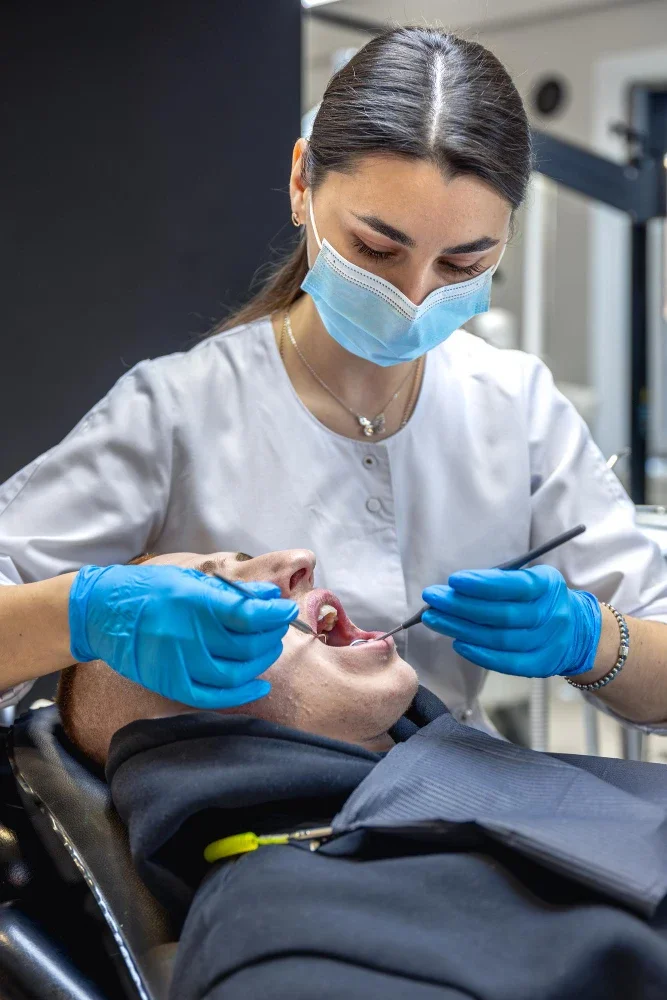
Bleeding, swollen, or receding gums may be signs of gum disease rather than a normal part of brushing. At LS Family Dental, we carefully evaluate your gum health and recommend treatment based on the severity of the condition. Here is what you can expect when receiving gum disease treatment in Peabody, MA.
We ask about bleeding, sensitivity, bad breath, gum recession, loose teeth, and any changes you have noticed. We also review medical conditions and medications that may affect your gum health.
Our dental team checks for redness, swelling, bleeding, plaque, tartar buildup, recession, and other visible signs of gum disease.
We gently measure the spaces between your teeth and gums. Deeper pockets may indicate that gum disease has progressed beneath the gumline.
X-rays may be taken to check the bone supporting your teeth and determine whether gum disease has caused bone loss.
We explain whether you have gingivitis, early periodontal disease, or a more advanced condition and discuss what treatment may be needed.
Treatment may involve a professional cleaning or a deep cleaning known as scaling and root planing to remove buildup above and below the gumline.
Before you leave, we explain how to care for your gums at home and recommend an appropriate schedule for follow-up visits or periodontal maintenance.
Gum disease can progress without causing significant pain. If you have bleeding gums, persistent bad breath, gum recession, or loose teeth, contact LS Family Dental for a periodontal evaluation in Peabody, MA.
Treating gum disease early can help protect your gums, supporting bone, and natural teeth. Our team provides clear guidance and treatment based on your individual periodontal needs.
We examine the gums, measure periodontal pockets, and assess the supporting bone to understand how far the condition has progressed.
Treatment is based on your symptoms, gum measurements, tartar buildup, bone health, and medical history.
When needed, scaling and root planing remove plaque and tartar from areas that cannot be reached through regular brushing or routine cleaning.
Our goal is to control infection and inflammation before gum disease causes further damage to the tissues supporting your teeth.
We take time to explain each step and can numb the treatment area when deeper cleaning is required.
We show you how to clean areas where plaque collects and recommend suitable brushing, flossing, or interdental cleaning techniques.
Patients with a history of gum disease may benefit from more frequent maintenance appointments to help control recurring buildup.
We understand that gum treatment may feel stressful. Our team works at a comfortable pace and keeps you informed throughout your visit.
Gum disease often begins with mild symptoms that are easy to ignore. Without treatment, inflammation can spread below the gumline and affect the bone and tissue that hold your teeth in place.
Many people do not realise they have gum disease because it may not cause discomfort during its early stages. Bleeding gums, recession, and ongoing bad breath should not be ignored. Regular periodontal examinations at LS Family Dental can identify gum problems before they cause more serious tissue or bone damage.
Professional treatment removes harmful buildup, but long-term improvement also depends on consistent home care. Following your personalised instructions can help control plaque and reduce further inflammation.
Follow all brushing and cleaning instructions provided by our team.
Brush gently around any areas that feel tender.
Expect mild sensitivity or soreness for a short period.
Choose softer foods if chewing feels uncomfortable.
Take recommended or prescribed medication only as directed.
Avoid tobacco products, which can slow gum healing.
Contact us if you experience increasing pain, swelling, or bleeding.
Brush twice daily using fluoride toothpaste.
Clean carefully along the gumline with a soft-bristled toothbrush.
Floss or use an interdental cleaner every day.
Clean around crowns, bridges, implants, and other restorations.
Drink water regularly and limit frequent sugary snacks.
Avoid smoking and other tobacco products.
Attend periodontal maintenance visits as recommended.
Gum disease is an infection and inflammation of the tissues surrounding the teeth. It usually begins when plaque and tartar collect around the gumline. Early gum disease is known as gingivitis, while a more advanced form is called periodontitis.
Common early signs include bleeding during brushing or flossing, red or swollen gums, persistent bad breath, and tenderness near the gumline. Gum disease may also be present without noticeable symptoms.
Gingivitis can often be reversed with professional cleaning and improved home care. Periodontitis cannot always be completely reversed, but it can often be managed with appropriate treatment, regular maintenance, and consistent daily cleaning.
Scaling and root planing is a deep cleaning treatment used to remove plaque and tartar from below the gumline. The tooth roots are also smoothed to make it more difficult for bacteria to collect and to help the gums heal around the teeth.
Routine cleaning is usually comfortable. For scaling and root planing, local anesthetic may be used to numb the treatment area. Mild tenderness or sensitivity can occur afterward but usually improves as the gums heal.
The length of treatment depends on how many areas are affected and how advanced the condition is. Deep cleaning may be completed in one appointment or divided into multiple visits to treat different areas of the mouth.
Yes. Advanced gum disease can damage the gum tissue and bone supporting the teeth. Over time, teeth may become loose or require removal. Early treatment can help reduce the risk of further damage.
Bleeding commonly occurs when gums are inflamed because of plaque buildup or gum disease. Brushing too aggressively can also cause bleeding. A dental examination can identify the cause and determine whether treatment is needed.
The recommended schedule depends on your gum health and risk of disease returning. Some patients may need maintenance more frequently than the standard six-month dental cleaning schedule.
Yes. Smoking and other tobacco use can increase the risk of gum disease, hide warning signs such as bleeding, slow healing, and make periodontal treatment less effective.
Do not ignore bleeding gums, persistent bad breath, recession, or loose teeth. Schedule a gum health evaluation at LS Family Dental and let our team recommend the right gum disease treatment for your needs in Peabody, MA.