Initial Emergency Assessment
We ask about your symptoms, when the problem started, and whether you have experienced swelling, bleeding, dental trauma, or increasing pain.

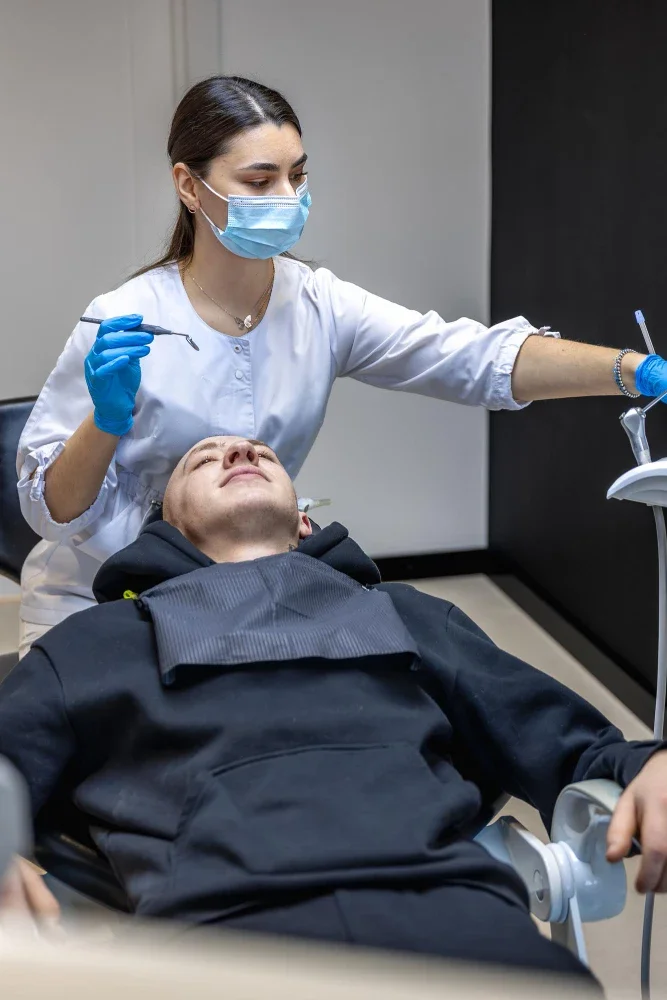
A dental emergency can be painful, stressful, and difficult to ignore. At LS Family Dental, our team focuses on identifying the cause of the problem, relieving your discomfort, and protecting your oral health. Here is what you can expect when you visit our emergency dentist in Peabody, MA.
We ask about your symptoms, when the problem started, and whether you have experienced swelling, bleeding, dental trauma, or increasing pain.
We review your current medications, allergies, medical conditions, and previous dental treatment so we can provide safe and appropriate care.
Our dentist carefully examines the affected tooth, gums, jaw, and surrounding area to identify visible damage, infection, or inflammation.
X-rays may be taken to check the tooth roots, supporting bone, hidden decay, infection, or damage that cannot be seen during a visual examination.
Depending on the condition, we may numb the area, clean the affected tooth, reduce pressure, or provide another form of immediate treatment to improve your comfort.
Treatment may include a filling, crown repair, root canal treatment, tooth extraction, infection management, or temporary protection until permanent care can be completed.
We explain what was found, what treatment was completed, and whether you need a follow-up visit. You will also receive clear instructions for pain relief, eating, cleaning, and recovery.
Whether you have severe tooth pain, swelling, a broken tooth, or another urgent dental concern, contact LS Family Dental as soon as possible. Our team will help you understand the next step and arrange the earliest available emergency appointment.
When a dental emergency happens, you need clear answers and compassionate care. Our team takes time to understand the problem, reduce your discomfort, and recommend treatment that supports your long-term oral health.
We focus on identifying the source of your pain or swelling quickly so appropriate treatment can begin without unnecessary delay.
Our first priority is helping you feel more comfortable while we examine and treat the cause of the dental emergency.
Digital imaging helps us identify hidden decay, infections, fractures, and problems below the gumline that may not be visible during an examination.
We explain what is causing the problem, which treatment options are available, and what you can expect before anything begins.
Whenever possible, we look for ways to preserve your natural tooth through treatments such as fillings, crowns, or root canal therapy.
Existing patients can receive urgent care from the dental team they already know. New patients are also welcome to contact our Peabody office for emergency assistance.
If your emergency involves a damaged, infected, or missing tooth, we can discuss appropriate restorative options as part of your treatment plan.
Dental emergencies can make anxiety feel even stronger. Our team takes a calm and gentle approach and keeps you informed throughout your appointment.
Some dental problems can wait for a routine appointment, but others need attention as soon as possible. Delaying treatment may allow pain, infection, or damage to become more serious. Contact our Peabody dental office if you experience any of the following concerns.
Call emergency medical services or go to the nearest hospital emergency department if you experience difficulty breathing, difficulty swallowing, uncontrolled bleeding, serious facial trauma, or rapidly spreading facial or neck swelling. These symptoms may require immediate medical attention rather than waiting for a dental appointment.
The right steps can help protect your tooth and reduce discomfort while you are waiting to see an emergency dentist. Contact LS Family Dental first so our team can provide guidance based on your specific situation.
Rinse your mouth gently with warm water to keep the area clean.
Use dental floss carefully if food is trapped between the teeth.
Apply a cold pack to the outside of your cheek to reduce swelling.
Avoid placing aspirin or pain medication directly on the gums.
Do not chew on the affected side of your mouth.
Keep broken pieces of the tooth and bring them to your appointment.
Take over-the-counter pain relief only as directed on the label and when medically suitable for you.
Pick up the tooth by the crown and avoid touching the root.
Rinse it gently with clean water without scrubbing it.
Do not remove any tissue that may still be attached to the tooth.
Try to place the permanent tooth back in its socket only if it goes in easily.
If it cannot be replaced, keep it moist in milk or a tooth-preservation solution.
Do not place a knocked-out tooth in plain water for a long period.
Contact an emergency dentist immediately because prompt care may improve the chance of saving the tooth.
A dental emergency is a problem that requires prompt attention to relieve severe pain, control bleeding, treat infection, or prevent further damage. Common examples include intense tooth pain, facial swelling, a dental abscess, a knocked-out tooth, a broken tooth, or an injury to the mouth.
Appointment availability can vary, but you should contact LS Family Dental as soon as the problem occurs. Our team will ask about your symptoms, explain what to do next, and arrange the earliest available appointment based on the urgency of your condition.
Hold the permanent tooth by the crown and avoid touching the root. Rinse it gently without scrubbing. Try to place it back in the socket if possible, or keep it moist in milk or a tooth-preservation solution. Contact an emergency dentist immediately because time is important when trying to save a knocked-out tooth.
Most toothaches, broken teeth, lost fillings, and dental infections should be assessed by a dentist. Go to a hospital emergency department or call emergency services if you have difficulty breathing or swallowing, uncontrolled bleeding, major facial trauma, or severe facial or neck swelling.
A dentist can examine the affected area, determine the source of the infection, and recommend appropriate treatment. Depending on the condition, treatment may include drainage, root canal therapy, tooth extraction, or medication when clinically necessary.
Keep the filling or crown if you can find it and avoid chewing on the affected tooth. Do not use household glue to put the restoration back in place. Contact LS Family Dental so the tooth can be examined and temporarily or permanently repaired.
Dental pain may temporarily improve, but the underlying problem can still remain. Pain caused by decay, infection, cracks, or damage often needs professional treatment. It is best to have severe or ongoing pain assessed rather than waiting for it to return or become worse.
Not always. Depending on the damage, the tooth may be saved with a filling, crown, or root canal treatment. Extraction is normally considered when the tooth cannot be repaired or when removing it is the best option for protecting your oral health.
Do not ignore severe dental pain, swelling, or a damaged tooth. Contact LS Family Dental for an emergency dental evaluation in Peabody, MA. Our team will assess the problem, explain your treatment options, and help you take the right next step.