
Can You Get Dental Implants If You Have Bone Loss?
Planning for dental implants in Peabody, MA, but have a question: Can you get dental implants if you have bone loss? So, yes, having jawbone loss doesn't automatically rule out getting dental implants. That said, implants need enough bone to support them, so the amount and location of bone loss must be evaluated before treatment starts.
For some patients, there's already enough healthy bone to place an implant right away. Others might need a preparatory step first, bone grafting, to actually rebuild the area before implant placement can happen. What's right for you depends on your own jaw structure, oral health, and how much bone loss you're actually dealing with.
Why Does Bone Matter for Dental Implants?
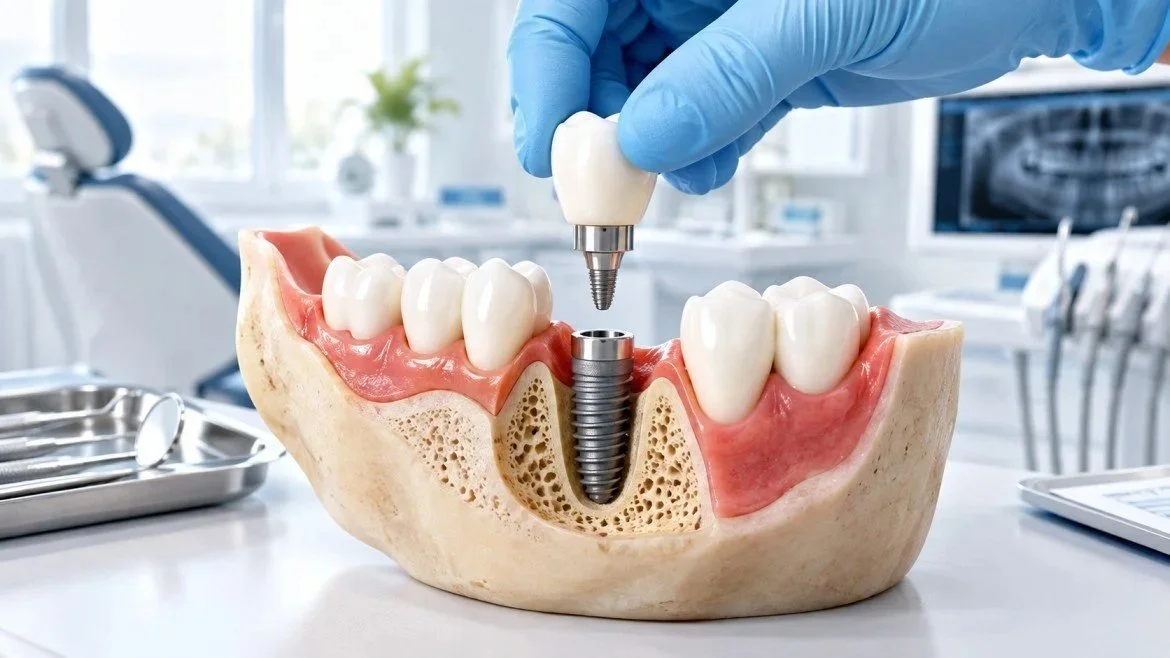
A dental implant is a titanium post placed into the jawbone to act as an artificial tooth root. During healing, the bone around it gradually fuses with the implant through a process called osseointegration.
That's why bone volume and density matter: they create a stable foundation. When significant bone has already been lost, an implant might not have enough initial support for predictable, reliable placement.
Why Does Jawbone Loss Happen?
Bone loss can happen for a few different reasons, and knowing the actual cause can shape how treatment gets planned.
Missing Teeth
Once a tooth is lost, the jawbone in that spot stops getting the stimulation it used to get from the tooth root. Over time, that bone can gradually shrink down.
Gum Disease
Advanced periodontal disease can damage the tissue and bone actually supporting your teeth. Enough progression can eventually lead to tooth loss too.
Long-Term Denture Use
Traditional removable dentures replace the visible part of teeth, but not the roots. Because of that, they don't give the underlying jawbone the same stimulation a real tooth root would.
Dental Trauma or Infection
Injuries and infections around teeth can sometimes damage the surrounding bone, which can affect how much bone's actually available for implant placement down the line.
How Do Dentists Check If You Have Enough Bone?
You genuinely can't tell implant eligibility just by looking at your gums.
A dentist examines your mouth and uses dental imaging to actually assess the jawbone. Bone density, available bone volume, gum health, remaining teeth, and where the implant needs to go all factor into treatment planning.
That assessment determines whether an implant can go in directly or whether extra preparation is needed first.
Can Bone Grafting Make Dental Implants Possible?
For some patients, yes. Bone grafting rebuilds or increases bone in spots where there isn't enough support for an implant yet. Grafting material gets placed where it's needed and given time to heal before implant treatment actually moves forward.
Not every patient with bone loss needs grafting, though. Whether it's necessary depends on how much bone's actually left and exactly where the implant needs to sit.
Does Bone Loss Make the Implant Process Longer?
It can. If no extra procedure's needed, implant placement can just move ahead on the normal treatment timeline. When bone grafting is necessary, more healing time is usually required before the implant can be placed or fully restored.
That's basically why implant timelines can look pretty different from one patient to the next.
Conclusion
Bone loss can change the route to dental implants, but it doesn't necessarily close the door on them. The real first step's finding out how much healthy bone is actually left and whether some extra preparation could build up enough support.
LS Family Dental evaluates patients considering dental implants in Peabody, MA, using digital imaging to assess bone density and jaw structure. The implant process includes individualized treatment planning, and the practice notes that some patients may need preparatory work, such as bone grafting, before implant placement.
If bone loss has left you unsure about replacing a missing tooth, schedule an implant consultation with LS Family Dental. A proper assessment can actually show you what's possible for your own individual smile.